Your next banking channel is already installed: WhatsApp
AI agents are doing to apps what apps did to websites. What that means for an institution running real volume, and what separates a chatbot from an agent.
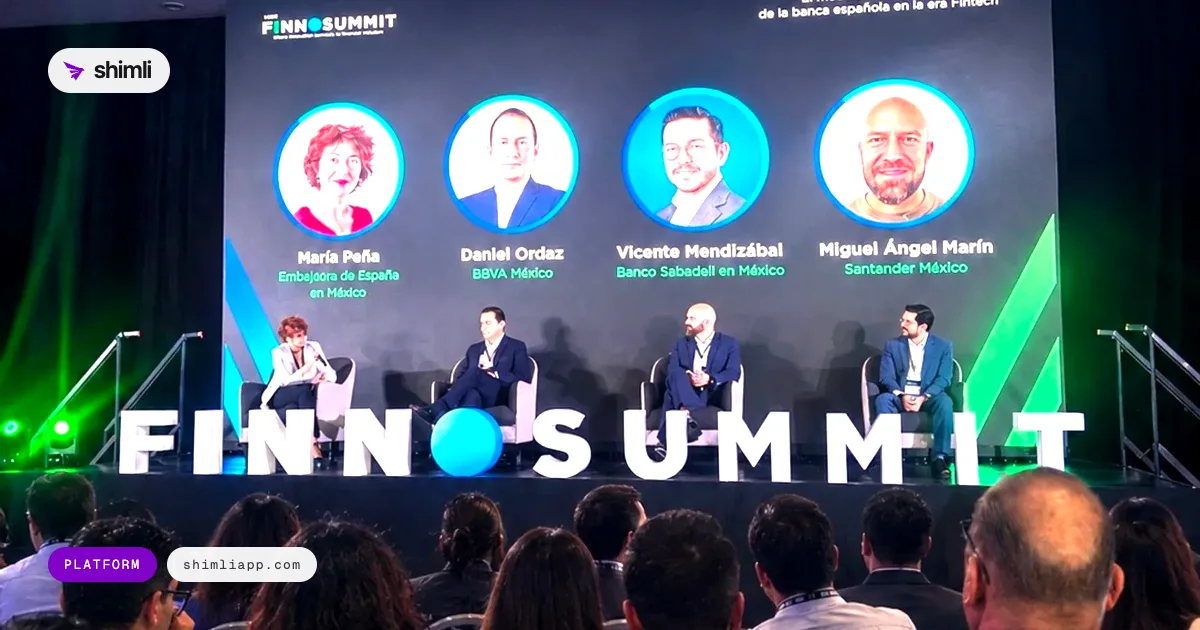
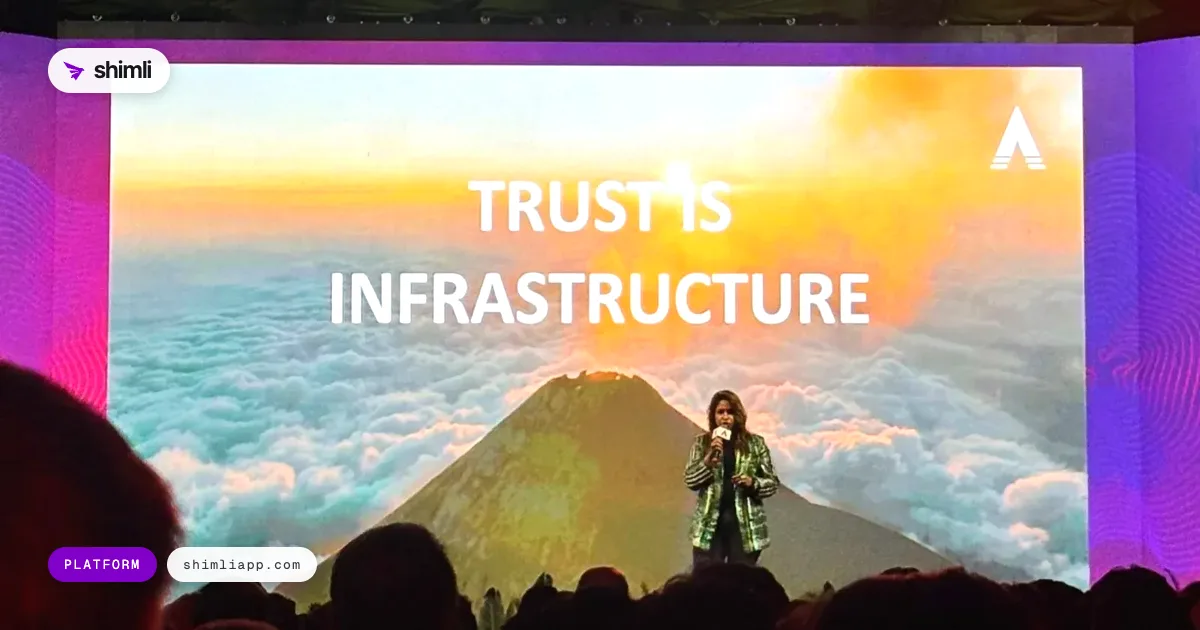
One session at this year’s FINNOSUMMIT had a slide that sums up where this is heading better than any report.
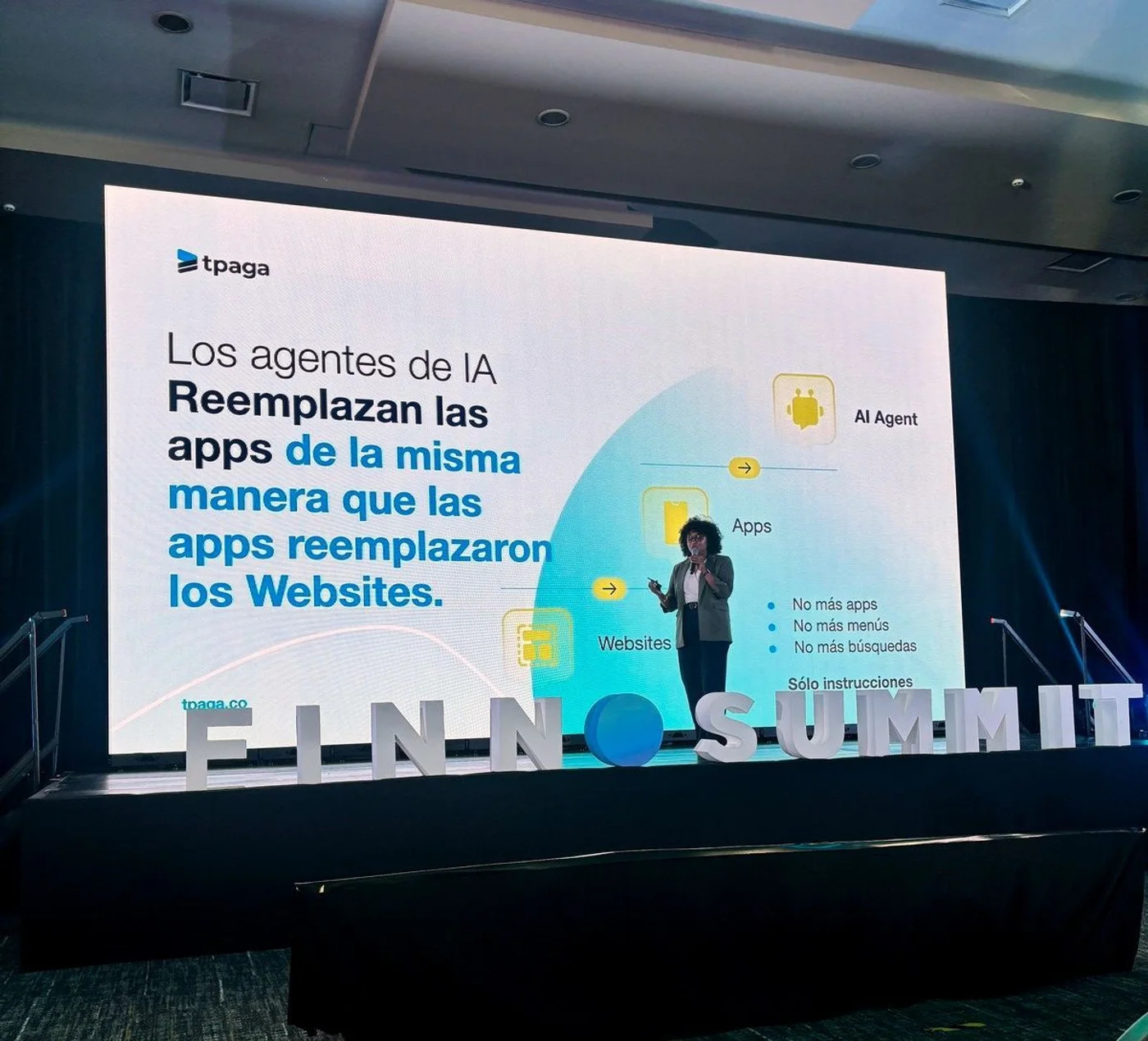
This year’s numbers back the line up.
The channel is already installed
More than 92% of internet users in Latin America use WhatsApp. No banking app has that reach, and none will: asking someone to download something is already asking too much.
What changed this year is that it stopped being a notifications channel. According to Infobip’s messaging trends report, WhatsApp grew 47% as a banking interaction channel in the region, peaking at 111% in Argentina, and banks are leading that adoption. Banorte, BBVA and Mercado Pago already let customers transfer, check balances and resolve tasks inside it.
At the same time, AI use among Mexican fintechs rose from 60% to 77% in twelve months. The two curves meet at the same point: the customer is already in the channel, and now there is something to serve them with that does not require a person behind every conversation.
The difference that decides whether it works
This is where most projects fall short. Putting a chatbot on WhatsApp is easy and rarely changes anything.
| Criterio | Chatbot on WhatsApp | Agent that operates |
|---|---|---|
| What it does with a query | Recognises the intent and returns text written in advance. | Checks the systems, decides within policy and completes the task. |
| When the case gets complex | Hands off. The query returns to the queue with a customer who already tried. | Escalates to a person with the full history of the conversation. |
| If the customer changes channel | Starts from scratch: every channel is a silo. | Context travels. The conversation is the same on WhatsApp, voice or web. |
| What it leaves on record | A log of messages. | What it checked, which rule it acted under and where it handed the case over. |
What comes next, and what we are ready for
Being present on WhatsApp no longer sets anyone apart. What comes next is doing banking from there: the customer opens a conversation, identifies themselves, checks, pays, negotiates an extension or submits a document, and none of that requires moving somewhere else.
Our agents already run that in collections, credit and support, across WhatsApp, voice and web, connected to each institution’s systems and with one shared context behind every channel. It is running in production today, not on a roadmap.
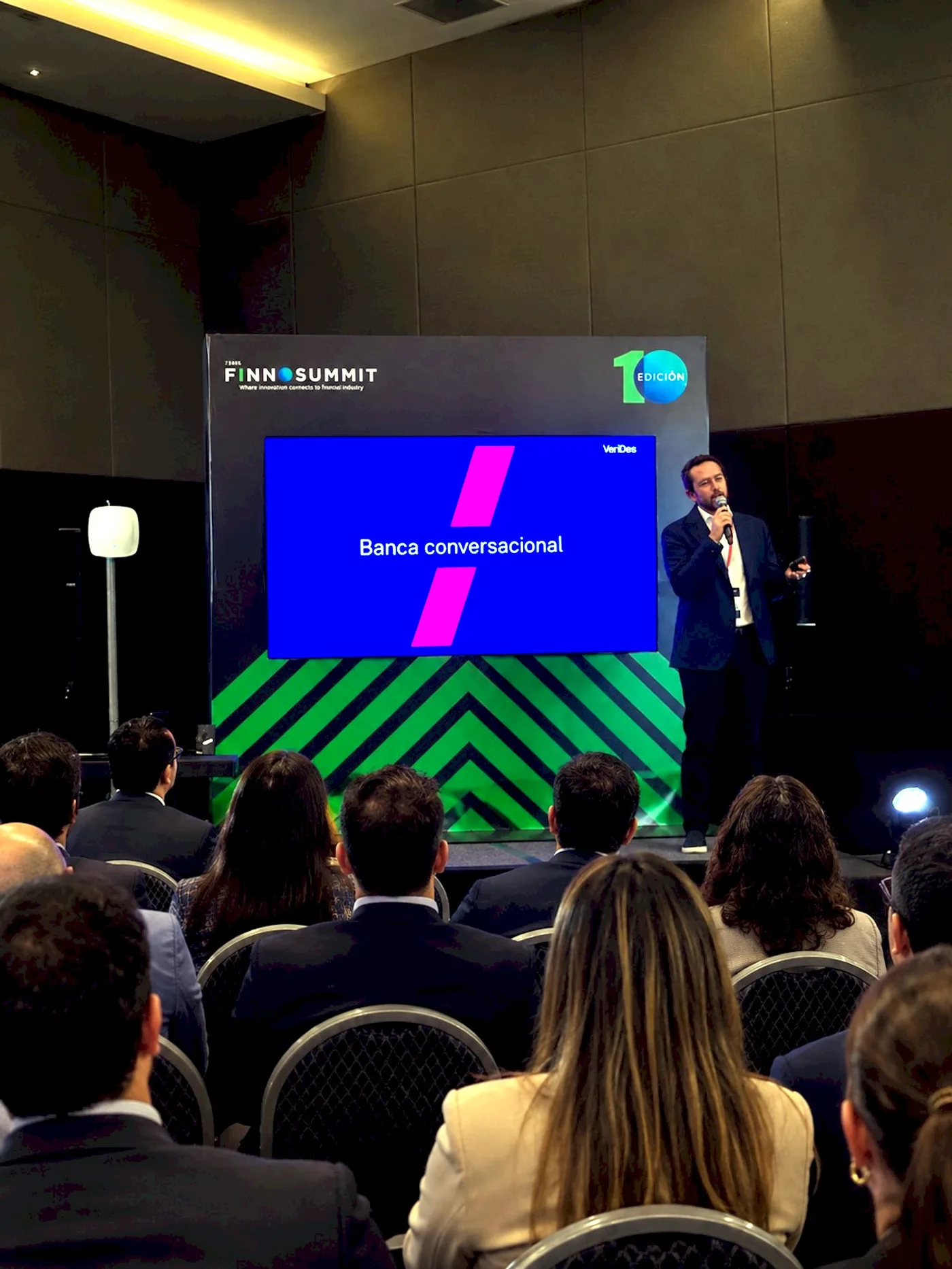
If you want the rest of what the conference left behind, I summed it up in this other entry.
Questions on this topic
- Does an agent on WhatsApp replace the bank's app?
- The app loses the repetitive work, not its purpose. It remains the place for complex transactions and detailed review. What changes is that the customer stops opening it to check a balance, report a payment or ask for an extension, because that gets resolved where they are already typing.
- What does a conversational channel need to move from support to operation?
- The agent has to read and write in the institution's systems, not just reply. And context has to travel: if someone starts on WhatsApp, calls the next day and then writes on the website, those three conversations must be the same one. Without that, every new channel is one more silo to staff.